Aviation Switching Module – NSN 4920-01-250-2696 (AS-IS / Untested): Specialized Aircraft Test and Control Hardware
Aviation Switching Module – NSN 4920-01-250-2696 (AS-IS / Untested): Specialized Aircraft Test and Control Hardware
Blog Article
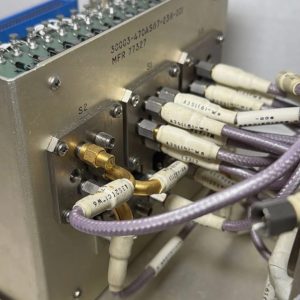
The Aviation Switching Module – NSN 4920-01-250-2696 (AS-IS / Untested) is a specialized aerospace electrical component offered for professional evaluation, restoration, testing, parts recovery, collection, or another suitable non-assumed application.
The Aircraft Switching Module can form part of a specialized aviation system, while the Aerospace Switching Module requires identification through labels, technical documentation, connector configuration, and application records.
An Aircraft Electrical Switching Module, Aviation Electrical Control Module, Aircraft Power Switching Module, Aerospace Electrical Control Unit, and Aircraft Signal Switching Module may describe related switching or control functions, but the exact purpose of this NSN should be verified before use.
Whether described as an Aviation Control Module, Aircraft Switching Unit, Aerospace Power Distribution Module, Aircraft Electrical Control Unit, or Aviation Power Control Module, the component should remain identified primarily by its NSN and physical markings.
Overview of the Aviation Switching Module
The National Stock Number provides an important catalog reference that can help buyers research the item’s supply history, technical identity, related part numbers, and possible equipment application.
The exact manufacturer, model number, electrical specifications, switching functions, and associated equipment should be confirmed through reliable technical references whenever available.
Buying an Untested Aviation Module
Transparent AS-IS terms help specialists evaluate price and risk realistically.
Improper voltage, polarity, grounding, current, signal input, or connector pin assignment can damage the module and connected equipment.
Aircraft Circuit Selection Equipment
An Aircraft Switching Module may provide circuit selection, signal routing, controlled connection, isolation, mode selection, or interface functions within compatible here aviation equipment.
Switch movement can be checked gently for obvious binding or damage, but mechanical movement does not establish electrical operation.
Aerospace Enclosure and Connector Condition
Age, handling, impact, humidity, temperature changes, contamination, and long-term storage can affect both mechanical and electrical condition.
Unknown connectors should not be forced into visually similar plugs.
Electrical Switching Module Condition
External condition cannot confirm the state of hidden relays, contacts, circuit boards, wiring, or internal components.
Methodical inspection protects the integrity and research value of the Aircraft Electrical Switching Module.
Aviation Module Interface Considerations
Similar-looking modules may use completely different pin assignments and operating voltages.
Missing labels or faded markings can make operation difficult and may increase the risk of improper testing.
Evaluating Aerospace Power Hardware
Power switching equipment can create heat, arcing, or equipment damage when connected incorrectly.
A module with unknown electrical condition should remain clearly labeled as untested until formal evaluation occurs.
Choosing an Aerospace Electrical Control Unit
Its internal design may include electromechanical components, solid-state devices, wiring assemblies, circuit protection, or specialized connectors.
Replacement components should match the required electrical, mechanical, thermal, and environmental characteristics of the original design.
Aviation Signal Routing Equipment
Signal circuits can be sensitive to grounding, shielding, contact resistance, connector condition, and electromagnetic interference.
A complete accessory inventory improves the commercial presentation of the Aircraft Signal Switching Module.
Aviation Control Module Applications
Buyers should determine whether they need a direct replacement, restoration item, training aid, or parts source.
Accurate configuration review reduces the risk of an unsuitable Aviation Control Module acquisition.
Restoring Aviation Switching Hardware
The unit can provide parts, reference information, display value, training opportunities, or a candidate for professional restoration.
The equipment should remain clearly labeled as untested and unsuitable for operational installation without evaluation.
Choosing an Aerospace Power Distribution Module
Internal conductive components can corrode or loosen during storage.
Preserving the original structure protects the Aerospace Power Distribution Module and its resale value.
Aircraft Module Functional Evaluation
The inspection should distinguish cosmetic wear from damage that may affect electrical operation or mounting.
Limited testing should not be described as complete serviceability verification.
Aviation Electrical Power Management
Responsible product information protects buyers seeking an Aviation Power Control Module.
Technicians should inspect for capacitors, transformers, relays, damaged insulation, or hazardous residues before opening or testing the unit.
Electronic Switching Module Applications
An Aircraft Electronic Switching System may consist of multiple modules, harnesses, control panels, relays, indicators, power sources, and associated equipment.
The module should not be blamed until related wiring and equipment are considered where the original system is available.
Protecting an Aerospace Switching Unit
The Aerospace Switching Unit should be stored in a clean, dry, stable environment protected from moisture, dust, chemicals, impact, pests, and extreme temperature changes.
Shipping should use cushioning that supports the enclosure while protecting protruding switches, connectors, controls, labels, and mounting points.
Evaluating Surplus Aerospace Equipment
A buyer seeking an operational replacement has different needs from a collector, technical school, parts dealer, or restoration specialist.
Transparent disclosure strengthens trust in an Aircraft Electrical Module transaction.
Evaluating an AS-IS Aircraft Switching Unit
A detailed review reduces misunderstanding and supports realistic purchasing decisions.
- Request photographs of all labels, switches, controls, connectors, mounting points, enclosure surfaces, seals, fasteners, and included accessories.
- Check for burned odors, melted material, arcing marks, water entry, chemical residue, and internal loose components where visible.
- Retain purchase records, photographs, labels, research, testing notes, and repair documentation with the module.
Safe Testing of an Aircraft Switching Unit
Every connection should be documented before power is applied.
Test results should identify which circuits or functions were checked and which remain unknown.
Aerospace Module Component Replacement
Restoration should begin with condition documentation, careful cleaning, technical research, component identification, fault isolation, and repair planning.
Photographs can document internal condition before and after work.
Final Thoughts on the Untested Aircraft Switching Module
The Aviation Switching Module – NSN 4920-01-250-2696 (AS-IS / Untested) may suit aviation workshops, military-surplus collectors, aerospace technicians, educational programs, equipment restorers, and specialist parts buyers.
Careful technical and commercial evaluation can reduce equipment damage, incompatible purchases, missing-accessory costs, testing hazards, and restoration delays.
Whether customers search for an Aircraft Electronic Switching System, Aerospace Switching Unit, or Aircraft Electrical Module, broad terminology should not replace technical application research.
With verified identity, careful inspection, protected storage, safe bench procedures, organized documentation, and qualified technical review, the module can provide lasting specialist value.
Report this page